What's in a name? The yuroboros origin story
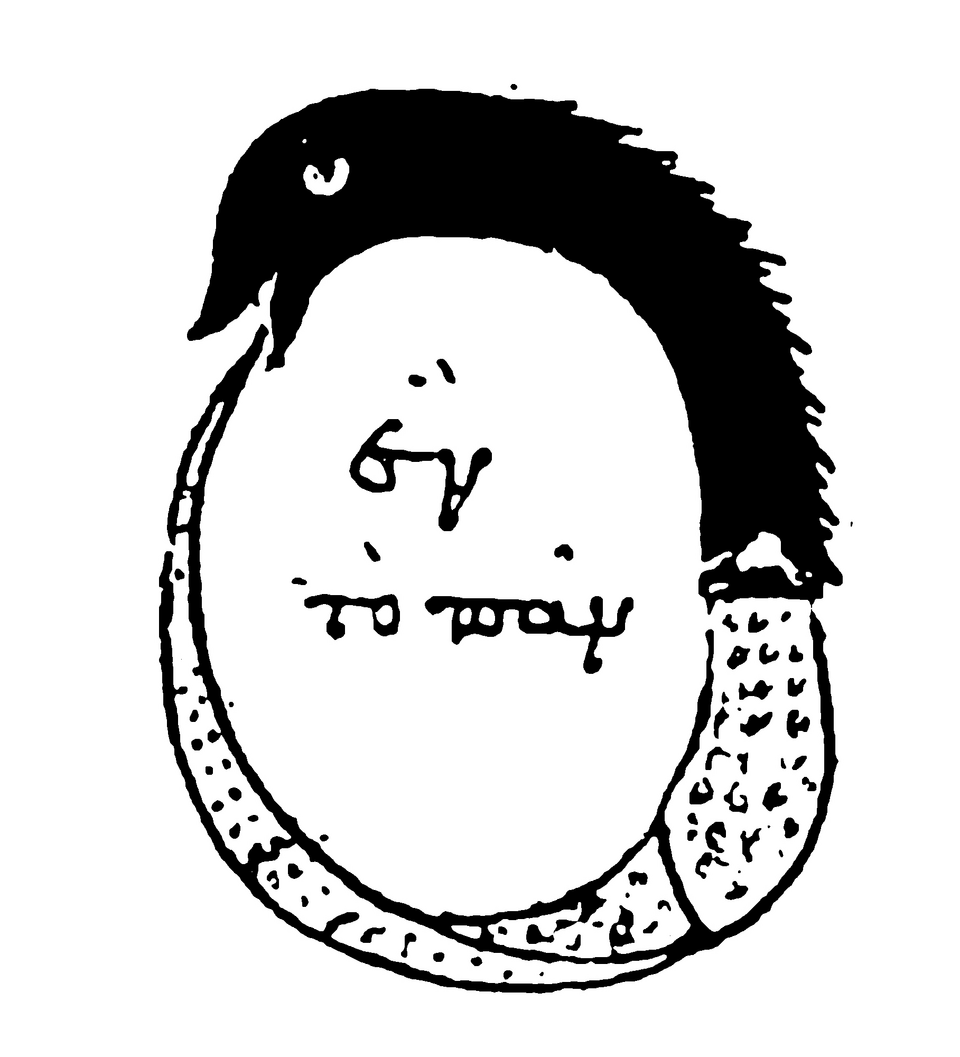
People often ask, "What is yuroboros?" The name, a play on "ouroboros", comes from the ancient symbol that appears across Egyptian, Mesopotamian, indigenous North American, and other civilizations: a dragon or serpent biting its own tail.
Welcome to the first edition of currents at yuroboros SPC! This newsletter shares what's flowing at our organization, for our collaborators, and across our network of ethical social change-makers. Expect monthly updates on projects, collaborations, learning opportunities, and inspirational stories from our global community.
But first, a bit about our name.
People often ask, "What is yuroboros?" The name, a play on "ouroboros", comes from the ancient symbol that appears across Egyptian, Mesopotamian, indigenous North American, and other civilizations: a dragon or serpent biting its own tail. This universal symbol reminds us of the cycle of birth, death, and rebirth. Mainstream narratives often promise we can escape or control these changes with more technology and faster innovation. Reality suggests otherwise.
Every life and system—from bodies to economies to ecosystems—is governed by and connected to these rhythms. They form the complex fabric of our existence and create feedback loops that affect lives and livelihoods.
We have a choice in how we face this reality. We can ignore or fight the rhythms of creation and destruction in ourselves and in our world. Or, we can face them despite any uncertainties or fear, take responsibility for how our actions contribute to the ebbs and flows in these cycles, and act to keep destructive forces from consuming us all.
As a social purpose corporation, yuroboros supports those who are taking action to regenerate and renew the positive and life-affirming activities that connect people, places, and the planet. Regardless of job, title, education, or status, if you share our commitment, you belong here.
Thank you for being a part of this current to create a more caring world.
With gratitude,

Tracy A. Corley, PhD
Founder and President
What's Upstream at yuroboros SPC
"From Extraction to Engagement" Introduction and Information Session
Wednesday, September 16, 2026 |7:30–9:00 PM US ET
The Training Center at yuroboros SPC is hosting a free information session and introduction to the 2026–2027 "From Extraction to Engagement" training series. This course series for change-makers in communities and organizations builds on Tracy A. Corley's engaged scholarship on how to engage marginalized and hard-to-reach communities in research, planning, and governance. If you are a planner, policymaker, scientist, or activist who wants to build and deepen relationships across grassroots, government, and large organizations for a more caring world, join us to learn more. All registrants will receive a coupon for up to $100 off the training that starts October 2026. Register here.
(Co)Action Lab Community Conversation
Tuesday, October 13, 2026 | 12:00–1:00 PM US ET
Our community of practice for social change-makers, (Co)Action Lab, is hosting a Community Conversation to respond to frequently asked questions about membership. Join us to hear from members about the benefits of joining and how the coaching, accountability, training, and connections have deepened their professional development as social change makers. Attendees will receive a special gift for those who decide to join a 2027 Practice Group. Register here.
Inspirations at yuroboros SPC
As summer comes to a close, I reflect on a July 23, 2026 event featuring the renowned poet Ocean Vuong at Town Hall Seattle. The conversation about his new book, The Emperor of Gladness: A Novel, yielded many profound moments. Vuong demonstrated not just his writing skills, but his deep, insightful weaving of the many rhythms that connect all things in his storytelling. Two comments stood out for me.
- Wars start with words. During the discussion, Vuong dove into modern events in the United States, highlighting the power that words have to sow division and discord in communities and institutions. He described the "concussive linguistic phenomena" used for demonizing specific groups, including immigrants and the poor, to justify violence. At the same time, dismantling education keeps marginalized communities from protecting themselves with the very tools used to destroy them.
- Emotion is a source of knowledge. The masterful way in which Vuong draws on emotions in his new novel uncovers the conditions of people living at the edges of American society. Although mainstream education teaches scientists, policymakers, and planners to be "objective" and disregard emotions, people's affect and emotional expressions provide a more complete understanding of the forces impacting their experiences—especially for people who don't live mainstream lives.
I wrote about similar tensions in a recent journal article about community-engaged research with the Breathe Providence Resident Task Force. And these reflections align with yuroboros' core belief that transformative change begins with how we speak to (and about) each other, ourselves, and our world.
This event has inspired me to bring more of my poetry, visual arts, and storytelling into my professional practices. What events, projects, and stories are inspiring you? Share your story with us to be featured in an upcoming edition of currents at yuroboros SPC.